



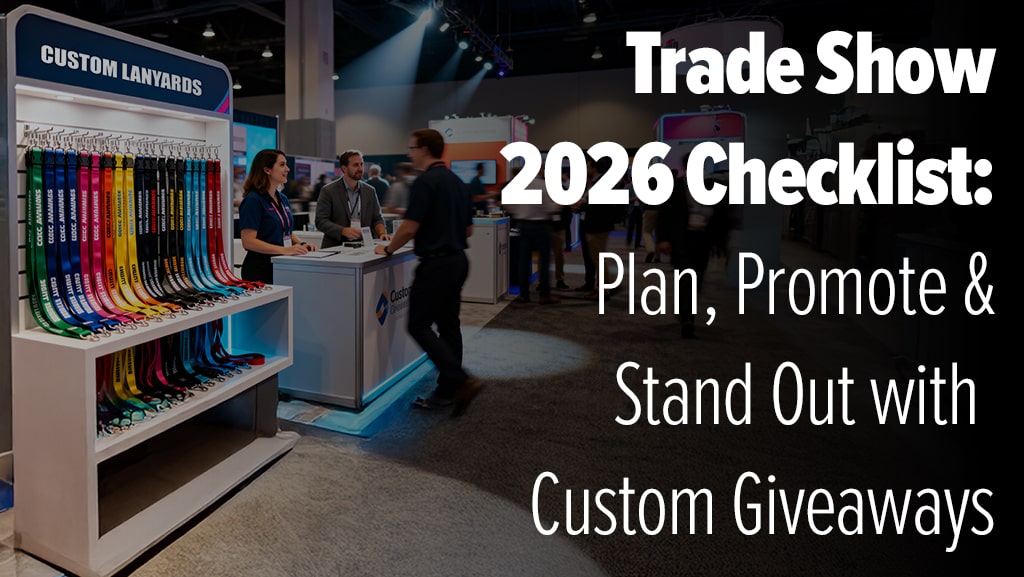
Trade Show Planning Checklist for 2026: Plan, Promote, and Stand Out!
The Ultimate Guide for a Successful Trade Show Marketing Strategy
Trade shows remain one of the most reliable ways for brands to reach the right audience. They bring potential customers, partners, and industry leaders into the same room, creating opportunities that can be hard to replicate anywhere else. When a show goes well, it can generate qualified leads, strengthen brand recognition, and build momentum for upcoming campaigns.
At the same time, these shows move fast! Attendees have a limited window to explore the trade show floor, and every booth is competing for their attention. A strong presence requires more than a good-looking display. The brands that stand out are the ones that plan early, know what they want to achieve, and organize every part of their booth experience around those goals.
This guide walks you through a full trade show checklist for a successful event, so your team can approach any event with a clear, coordinated strategy and turn your booth into a place people want to stop and engage with.
Define Your Trade Show Strategy Plan
Before you design graphics, pack gear, or choose giveaways, think about why you're exhibiting in the first place. Some brands focus on generating leads or scheduling meetings. Others want to run product demos, build general awareness, attract media attention, or meet with partners. Your goals influence everything that follows, from booth layout to staffing to your follow-up strategy.
Once your goals are set, consider your target audience. Identify the types of attendees you want to reach, and consider what you want each group to do when they arrive at your trade show booth. Maybe you want prospects to try a hands-on demo, join your mailing list, or schedule a future conversation with a sales rep. Nailing this down early helps you design a booth experience that guides people naturally toward them.
Clear success metrics come next! Decide how you will measure your results, whether that means the number of high-quality conversations, booked appointments, booth traffic patterns, or how many leads convert during follow-up. When everyone on your team knows what success looks like, the entire show becomes easier to navigate and evaluate.
Guideline for Your Trade Show Timeline
A great booth experience starts months before the event! The most successful exhibitors treat trade shows like any other major project: they break the process into stages, set realistic deadlines, and keep track of everything that needs to be ordered, approved, shipped, or trained.

6–12 Months Before the Show
-
Set budget ranges for booth space, staff travel, and promotional materials.
This creates an early framework for what’s realistic and prevents surprises when vendor quotes start coming in. -
Choose your booth size and secure a location on the show floor.
Strong placements book quickly! Finalizing this early helps you plan layout, traffic flow, and visibility. -
Begin thinking about your booth concept and the message you want it to communicate.
Establish a simple visual direction and core message now so later design decisions stay consistent. -
Start sourcing vendors for booth components, signage, and custom display elements.
Even standard booths require custom-branded pieces, so early vendor outreach ensures you have time for proofs and revisions. -
Review the show regulations, including height limits, material rules, and giveaway guidelines.
Each show has its own restrictions, and catching them early reduces the risk of reprinting or redesigning later. -
Confirm required booth services like electricity, Wi-Fi, flooring, and lead retrieval systems.
Many services, like electricity, internet, flooring, and lead scanners, must be ordered through the show and aren’t included by default. These affect layout and staffing, and ordering early helps avoid rush fees when the event nears.
3–6 Months Before the Show
-
Order promotional products and printed marketing materials to allow for proofing and adjustments.
Lead times vary widely, and early ordering provides flexibility in case quantities or designs need to be changed. -
Finalize your booth layout, design files, signage, and placements.
Locking in the design allows production to move forward and prevents last-minute bottlenecks. -
Book staff travel and secure hotel blocks before prices increase.
Costs rise as the show approaches, and early booking ensures your team can stay close to the venue. -
Register booth staff and secure any needed exhibitor badges.
Some shows require early registration to access setup hours or special exhibitor areas. -
Begin pre-show marketing with announcements, email teasers, and early outreach.
Sharing your booth number and offering a compelling reason to visit helps build interest before the show opens.
1 Month Out
-
Confirm freight schedules and delivery instructions with both the show and your carrier.
This prevents missed deadlines and ensures your crate arrives at the correct warehouse or marshalling point. -
Prepare talking points and loose scripts so your team communicates consistently.
Short, aligned messaging helps staff explain your brand clearly and qualify leads efficiently. -
Review your inventory of giveaways, apparel, and booth equipment.
Double-check quantities, sizes, and conditions so there are no surprises once the show begins. -
Increase outreach to key attendees and prospects.
Pre-booked conversations create dependable booth activity that doesn’t rely on walk-up traffic. -
Order staff apparel as needed to create a cohesive, recognizable booth presence.
Matching apparel helps attendees identify your team and reinforces your branding on the floor.
1–2 Weeks Before
-
Ship materials to the advance warehouse or directly to the show site.
Verify labels and deadlines so everything is staged correctly for your setup window. -
Conduct training sessions to ensure your staff understands the booth flow and their individual responsibilities.
A short rehearsal ensures your team is aligned on greetings, demos, and lead capture. -
Prepare digital assets like QR codes or short forms for lead capture.
Test everything on multiple devices to avoid issues on the show floor. -
Confirm appointments and demo schedules so your team knows what to expect.
A clear schedule helps manage booth traffic and ensures you don’t miss key conversations.
Day-Of Execution Checklist
-
Arrive early for setup checks. Walk the booth before doors open, confirm signage placement, test monitors/tablets, and restock giveaways for the first waves of traffic.
-
Hold a quick team huddle. Review roles, demo flow, talking points, scheduled meetings, and any high-priority attendee groups.
-
Test all tech and lead capture tools. Power drops, Wi-Fi, badge scanners, QR codes, and digital forms should be checked before attendees arrive.
-
Stage giveaways intentionally. Keep general handouts accessible while storing premium items separately, so they can be used at the right moments.
-
Track interactions as they happen. Scan badges, tag lead types, and add brief notes as soon as possible.
-
Keep the booth active and presentable. Rotate breaks, stay visible near the aisle, and refresh displays periodically to maintain a polished, energetic presence.

Designing a Booth That Draws Traffic
A strong booth starts with clear, intentional communication, especially at a glance. Your messaging should work at three distances: a bold and simple message that is readable from 15 feet away, a supporting line or visual element that becomes clear at 5 feet, and more detailed product or service information that makes sense when someone steps within 1 foot of your display. When each layer reinforces the same idea, attendees immediately understand what your company does and whether your booth is relevant to them.
Once the message is set, layout determines how well attendees can move through the space. Pathways should invite people in naturally without creating bottlenecks, and the booth should have a clear flow from greeting to interaction to exit. Consider whether you want to include seating or keep everything at standing height: standing areas improve circulation, while seating helps facilitate longer conversations. Your lighting and focal points should bring the entire design together by drawing attention to key products, demos, or graphics.
Creating an Interactive Booth Experience
Interactivity is one of the most reliable ways to keep attention on a busy show floor. Simple, hands-on moments—like short demos, prize wheels, challenges, or quick timed activities—invite attendees to participate instead of just observing. Even minimal digital elements can help! QR-based polls or brief surveys give visitors an easy point of entry and help your team collect interest without slowing down the booth.
Giveaways are an awesome way to support this approach. Asking visitors to complete a short action or participate in a demo before receiving an item naturally raises the quality of conversations and reduces “grab-and-go” traffic. It also gives your staff more opportunities to connect with people who are genuinely interested! When interactive elements blend smoothly into the booth’s flow, the space feels energetic and memorable.
Staffing & Training for a High-Performing Booth
A booth’s success often comes down to how well the team inside it functions. Assigning clear roles helps things run smoothly, especially during peak hours. Someone should welcome attendees, another person should lead demos or deeper conversations, and a third should manage meetings or lead capture. With defined responsibilities, staff can focus on their strengths and avoid overlapping tasks.
Professional presence also shapes how approachable the booth feels. Standing rather than sitting, making eye contact, and maintaining open body language signals that the team is ready to engage. Matching apparel ties the team together visually, making it easy for attendees to spot staff and reinforcing a cohesive brand look. All of these details combine to create a booth environment that feels attentive, inviting, and well-run.
Choosing Trade Show Giveaways
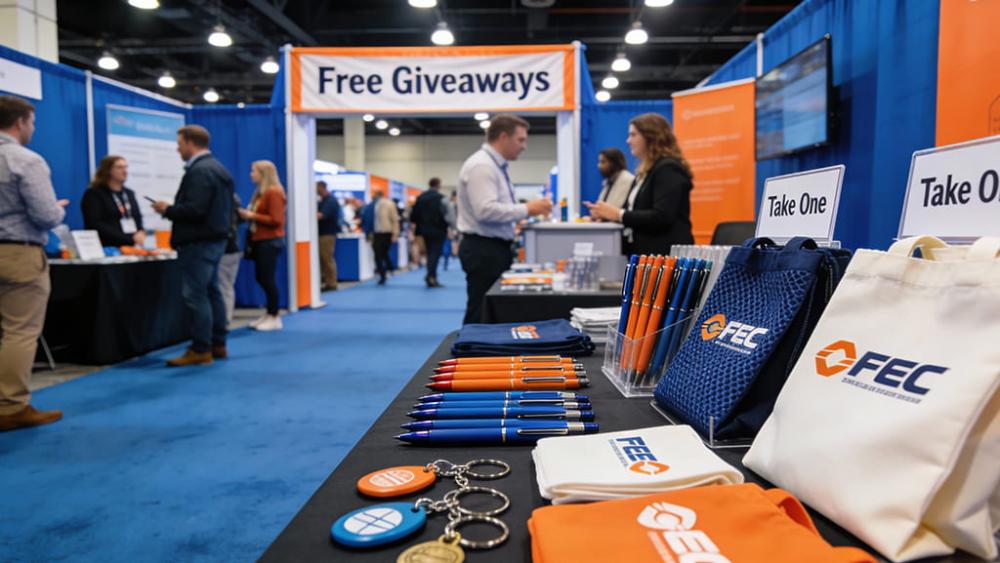
Trade show swag is most effective when it supports your objectives, rather than being chosen at random. Start by deciding what outcome you want: If your goal is to attract traffic, you’ll want something visible and easy for attendees to carry. If you’re trying to generate qualified leads, your giveaway should support conversation or encourage a specific action, such as watching a demo or scanning a QR code. If the goal is brand recall after the show, durability and everyday usefulness matter far more than novelty.
A tiered system helps organize your approach. General handouts, like simple tote bags, stickers, or lightweight accessories, are ideal for driving foot traffic. Mid-tier items can be tied to engagement activities like demos; fitting choices for this tier include small tech accessories, desk-friendly items that people use throughout the day, or small curated kits that bundle a few practical items together. Premium gifts, like popular drinkware, apparel, or high-end gift kits, are best reserved for qualified leads or scheduled meetings. As you structure these tiers, consider portability, imprint space, alignment with your brand, and how long the item will stay in use after the event. Finally, make sure to match your quantities to attendance forecasts so you have enough for the full show without overspending.
Key Trends for 2026 Trade Shows
Trade show expectations continue to evolve, and exhibitors are adjusting their strategies to match what attendees now look for on the show floor. Sustainability remains a clear priority, with more organizations opting for materials that reduce waste and booths that minimize printed handouts. Attendees are also responding well to practical, reusable items and simple setups that feel intentional rather than excessive.
Digital touchpoints are becoming a standard part of booth engagement. QR codes, lightweight landing pages, and digital literature streamline follow-up while keeping interactions efficient. Conversations themselves are also shifting: attendees prefer shorter, more natural exchanges rather than formal pitches, especially when they’re navigating a crowded floor. Exhibitors are responding by focusing on questions, demos, and quick value statements that encourage genuine dialogue.
Finally, pre-show outreach is more targeted than in previous years. Instead of relying solely on walk-by traffic, many teams schedule demos, briefings, or micro-meetings to guarantee meaningful interactions before the event begins. This approach works especially well when paired with giveaways chosen for usefulness rather than novelty. Items that support daily routines or travel tend to leave more lasting impressions—a fact that becomes more valuable as attendees become more selective about what they take home.
Budgeting & Ordering Tips
A clear budget helps you stay organized through the entire planning cycle, especially as booth space, travel, freight, and promotional costs begin to add up. Break your expenses into categories early so you can see where the largest commitments will land and where you have flexibility. Budgeting priority should be given to the essentials, like strong signage, reliable demo equipment, and well-chosen giveaways.
Ordering timelines matter just as much as the budget itself. Production, proofing, and shipping all require buffer time, and the trade show season can unexpectedly extend lead times. Estimate the quantities you’ll need based on traffic patterns from past events or from the event organizer’s attendee projections, and adjust for the style of booth you’re running. A high-interaction booth requires fewer general handouts but more mid-tier items, while a booth relying on broad traffic may need the opposite. When you build these considerations into your budget and schedule, you reduce the likelihood of delays, rush fees, or shortages during the show.
Logistics & Show-Day Coordination
Great planning only pays off if everything arrives, sets up correctly, and runs smoothly on the day of the event. Start by confirming freight arrivals and inspecting materials as soon as they reach the booth. This gives you the opportunity to resolve any missing pieces or damage before attendees arrive. As the booth comes together, compare the setup to your planned layout so that signage, tables, demo stations, and giveaways are placed exactly where your team expects them.
Once the booth is functional, test every piece of technology (screens, tablets, lead-capture tools, and any demo equipment) before the floor opens. Organize giveaways so your team can access them quickly without cluttering the space, and designate where each giveaway will be used. At the start of each show day, review roles with your staff to reinforce consistency: who greets, who handles demos, who schedules meetings, and who manages follow-up notes. When logistics and roles stay organized, your team can focus fully on conversations with attendees rather than troubleshooting behind the scenes.
Post Trade Show Follow-Up & Lead Nurturing
Once the show wraps, your results depend on how quickly and thoughtfully you follow up. Start by sorting and tagging leads based on interest level, conversation notes, and next steps. This makes it easier for your team to identify who needs a same-day thank-you message, who is ready for a product demo, and who should receive a lighter-touch nurture sequence. A structured timeline helps prevent missed opportunities: some contacts need immediate outreach while others respond best to a message within 48 hours or a recap a week later.
The show itself also provides valuable data. Booth traffic patterns, peak engagement times, and even how quickly certain giveaways ran out all help you refine your approach for the next event. If a particular demo consistently attracts attendees, highlight it in future booths. If certain engagement tactics fell flat, adjust them for the next show. By treating follow-up as both a closing step and a learning process, you create a stronger foundation for every event that follows.
Scaling Your Trade Show Program for Multiple Events
If you attend several shows a year, it's smart to build a repeatable system for future events. Modular booth components and reusable signage enable you to adapt layouts to different floor plans without requiring a complete redesign from scratch. The same philosophy applies to giveaways: an evergreen inventory helps maintain consistency, while rotating in a few show-specific items keeps things fresh without complicating logistics.
Budgeting also shifts when you scale. Instead of planning one event at a time, many teams find it easier to set annual budgets that cover booth rentals, freight, and merchandise across every show on the calendar. This makes it simpler to forecast costs and avoid shortages. Finally, create a streamlined workflow for shipping, storage, and reordering so that materials arrive where they’re needed, regardless of the number of events you attend.

Experience Trade Show Success with Logotech!
Trade shows come with countless moving parts, but you don’t have to manage them alone! Logotech supports exhibitors at every stage of the process, from selecting trade show giveaways to signage, apparel, and essential equipment for your booth. Whether you’re preparing for your first event or planning a schedule for the year, our account managers can help you build a presence that feels polished, organized, and easy to execute.
A strong trade show presence isn't built on a single element. It comes from aligning trade show brand strategy, booth design, engagement, logistics, and follow-up into one coordinated plan. Each decision made during the preparation stages influences how attendees experience your booth and how successfully your team converts interest into meaningful conversations after the show.
With a structured process in place, exhibitors can create a system that improves from event to event. Whether you're attending one show this year or building a nationwide schedule, the right approach helps your brand stand out, connect with the right people, and carry momentum long after the show floor closes. If you account for everything on our trade show planning checklist, you'll be well on your way to a successful event!
Learn more about rubber duckies with Logotech's Professor Brandwell:
Frequently Asked Questions
Q: What parts of the trade show planning process matter most for a smooth event?
The earliest steps, like budgeting, booth space selection, and ordering timelines, tend to be most important for a successful event. Exhibitors who start early have fewer surprises!
Q: What metrics should I track to measure trade show success?
Booked meetings, qualified leads, demo participation, traffic flow, and follow-up conversion rates are common benchmarks. Giveaway performance can also indicate how well your booth attracted attention.
Q: What are some effective strategies for trade show lead generation?
Short forms, QR codes, linked tablets, and simple qualifiers make it easier to collect accurate information from attendees.
Q: What sustainable trade show practices are exhibitors using lately?
Many brands are reducing their use of printed materials, opting for reusable signage and digital literature, and selecting eco-friendly giveaways.