



How to Start a T-Shirt Business
A Complete Guide to Starting a T-Shirt Empire
A t-shirt business lives or dies on a small set of practical decisions: who the shirts are for, how they’re printed, how many are produced, and where they’re sold. Those choices affect cost, quality, and whether a design is worth producing again. Get them right, and the business has room to grow. Get them wrong, and even good designs struggle to perform.
This article walks through starting a small printing business, focusing on those key decisions. We'll look at t-shirts through the lens of the broader printing industry, and see how a business idea can become a successful enterprise. Rather than covering every possible tool or tactic, we'll go through the choices that matter most when you’re trying to build something repeatable.
Start With a Clear Audience
A t-shirt design often succeeds because it speaks clearly to a specific group of people. Without that clarity, designs tend to drift toward generic messages, broad humor, or visuals that feel disconnected from the people they’re meant for in a competitive printing business.
Defining an audience early influences design choices, shirt styles, color palettes, print placement, and even order quantities. A shirt made for a niche group with strong shared interests can justify bolder design decisions and smaller initial runs. A shirt intended for a broader audience often requires safer choices and more volume to perform effectively for printing business owners.
The goal isn’t to find the largest possible audience, but a reachable one with clear preferences. Communities built around professions, hobbies, or shared experiences are often easier to design for than vague categories like “funny shirts” or “streetwear.” The more clearly you understand who the shirt is for, the easier it becomes to decide what belongs on it and what doesn’t when starting a t-shirt business.
Before moving into production, look at where your intended audience gathers online, what types of shirts they respond to, and whether similar products are consistently selling. If the audience is real and engaged, production and pricing decisions become far easier to justify for a viable printing business.
Choose How Your Shirts Will Be Produced
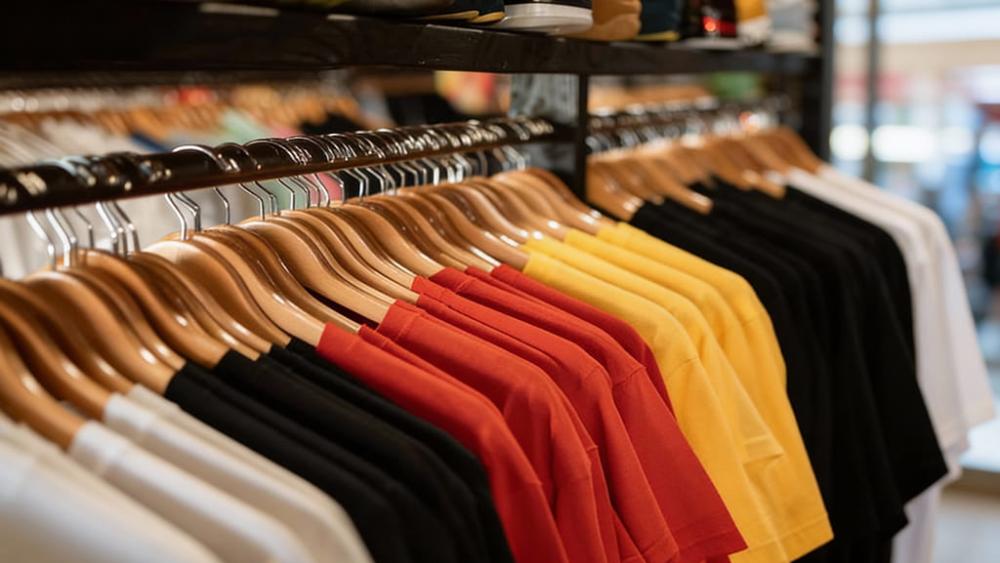
Once you know who you’re making shirts for, the next decision is how those shirts will actually be produced. This choice affects cost, quality control, timelines, and how much flexibility you have early on when you start a printing business. There isn’t a single right answer, but there are clear tradeoffs.
The print on demand model is often used at the start because it requires little upfront investment and lets you test designs without holding inventory. Shirts are printed only after an order is placed, which reduces risk but also limits control and often costs more per unit.
Bulk production is more responsibility, but offers greater consistency and lower per-unit costs. Ordering larger quantities makes sense once designs are validated and demand is predictable. The tradeoff is commitment. You’re deciding quantities, sizes, and colors before sales are guaranteed, which requires more confidence in the audience and design.
In-house printing offers the most control but also the most complexity. Equipment, space, maintenance, and labor all become factors. For most new t-shirt businesses, this option generally makes more sense later, once the demand has been firmly established and a print shop becomes practical.
Understand Printing Methods and Shirt Quality
The way a design is printed affects durability, appearance, and how the shirt feels once it’s worn. It also affects cost, minimum quantities, and how much flexibility you have when ordering within a printing company.
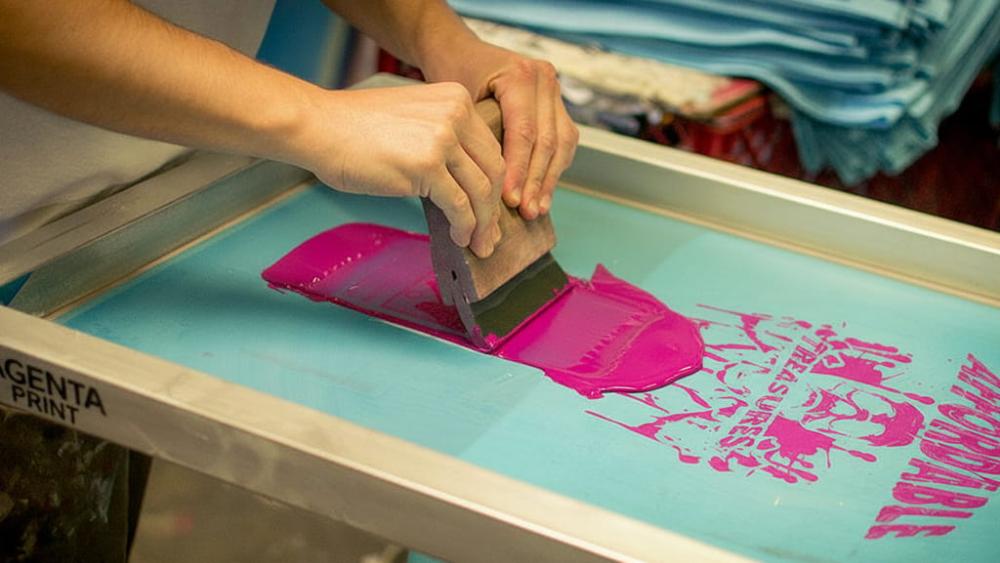
Screen printing is widely used across the printing business for custom t-shirts and works best for designs with solid colors or simple layouts. It produces durable results and becomes more cost-effective as quantities increase, which is why screen printing is commonly used for larger runs.
Heat transfer printing is often used for smaller quantities or designs that require more color detail. This approach applies a design to the shirt using heat and pressure and allows for more complex artwork, though results can vary depending on the materials used.
Full-color printing is used when designs include gradients, fine detail, or photographic elements. In the broader apparel industry, this is typically achieved through digital processes such as direct-to-garment (DTG) or direct-to-film (DTF) printing, which are common in a digital printing business.
Beyond the print itself, shirt quality matters. Fabric weight, softness, fit, and consistency across sizes all influence how the final product is perceived and whether it gets worn again. Specifications and mockups are useful, but they can’t replace handling a finished shirt. Ordering samples is the most reliable way to evaluate print quality and garment feel before committing to larger orders in a printing company.
Design for Fabric, Not Screens
A t-shirt design only has to look good in one place: on a person. That’s where many first designs fall apart. What works on a bright screen doesn’t always hold up once it’s printed on fabric and worn in real life.
Contrast does most of the work. Designs with clear shapes and intentional color choices tend to be easily recognizable, even from a distance. Subtle gradients, thin lines, and light tones are more easily lost, especially on darker shirts or softer fabrics.
Scale and placement matter more than most people expect. A design that feels balanced in a mockup can look crowded or oversized once it’s on a body. Center chest placement, reasonable print sizes, and breathing room around the artwork usually age better than designs pushed to the edge of the print area.
Production limits also shape design decisions. The more complex the artwork, the more it can restrict printing options or increase costs. Designs that are clear, intentional, and repeatable are easier to produce consistently and easier to scale once demand is proven as your own business grows.
Test Demand Before Scaling
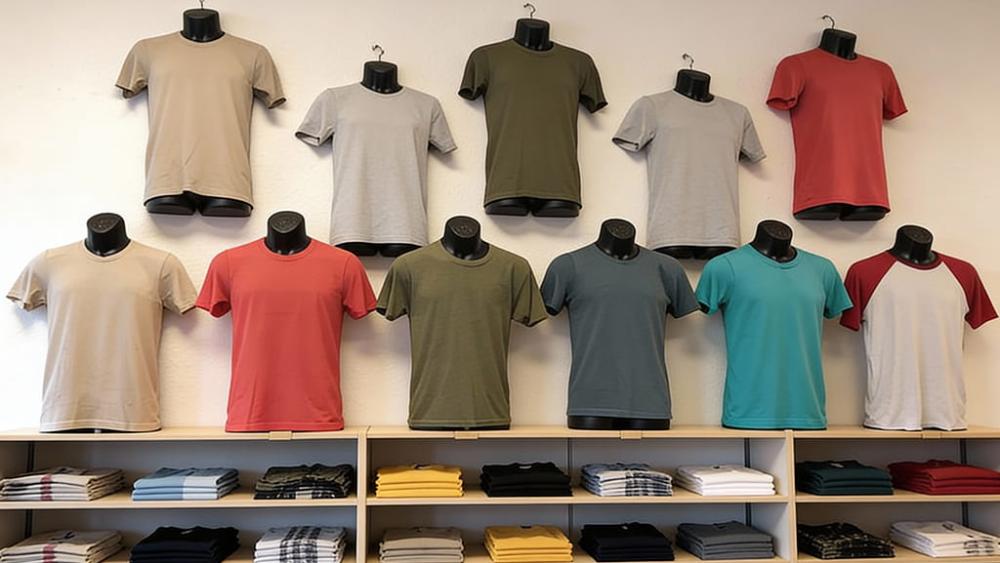
Early demand is easier to test than it is to predict. Before committing to larger orders, it’s worth seeing how people actually respond to a design when it’s available to buy, not just when it’s posted online.
Small runs, limited releases, or pre-orders make it possible to gather real signals without overcommitting. Sales, repeat purchases, and direct feedback are more useful than likes or comments, which don’t always translate into demand.
Patterns are more important than one-off wins. A design that sells consistently across a few small releases is a stronger signal than a single spike driven by novelty or promotion. That consistency is what justifies increasing quantities, expanding sizes, or offering additional color options.
Scaling too early usually creates avoidable problems: excess inventory, rushed production decisions, or pressure to discount. Testing first keeps those risks manageable and helps clarify which designs are worth building around.
Once demand is proven, scaling becomes a production decision rather than a gamble. At that point, increasing quantities or switching printing methods is a response to real interest, not a guess.
Create a Comprehensive Business Plan
Once demand is proven, the focus shifts from testing designs to supporting a workable business model. How and where you sell affects pricing, fulfillment, and how much complexity the business can handle.
Many t-shirt businesses start as an online business, using an online store to control presentation, pricing, and customer feedback. This approach keeps overhead low and makes it easier to adjust designs or quantities as demand changes. Others find early traction through local businesses, events, or direct sales, which can reduce upfront costs and provide faster, in-person feedback.
At this stage, outline your business plan. Understanding costs, order flow, and how sales are generated helps prevent avoidable issues as volume increases. Market research still matters here, especially when deciding how to price and promote t-shirts in a competitive space.

Start Your T-Shirt Business with Logotech!
If you’re exploring production options or testing your first designs, Logotech works with businesses at every stage, from small initial runs to larger, established programs. Many t-shirt businesses start by comparing materials, printing methods, and order quantities before committing to a full launch. Our team can help you think through those decisions with realistic timelines and clear expectations!
Starting a t-shirt business isn’t complicated, but it does require discipline. The early decisions around audience, design, and printing are important, and fixing them later is more expensive than getting them right upfront. The shirt comes last; the decisions come first.
Frequently Asked Questions
Q: What marketing strategies work best for t-shirt businesses?
A: For many small businesses, a mix of organic content, email, and targeted outreach works well. Some brands also experiment with direct mail or local partnerships once they understand their target market.
Q: How do I choose a target audience for my t-shirts?
A: Start with a focused niche rather than a broad idea. A clear target audience makes design, pricing, and marketing strategies easier to execute.
Q: How much money do I need to start a t-shirt business?
A: It depends on how you produce your shirts. Print-on-demand requires very little upfront cost, while bulk printing or in-house production requires a bit more capital for inventory, samples, and equipment.
Q: Do I need specialized equipment right away?
A: Not at the start. Purchasing specialized equipment makes sense only once demand is consistent and production volume justifies the investment. Early on, most new printing businesses rely on external printing services rather than buying printing equipment or a direct-to-garment printer upfront.
Q: How much does it cost to ship t-shirts?
A: Shipping costs for t-shirts depend on order size, destination, packaging, and delivery speed. Many t-shirt businesses use flat-rate shipping or include shipping costs in product pricing to keep checkout simple and predictable..
Q: How do I separate personal and business finances early on?
A: Opening a business bank account early makes it easier to track costs, manage personal and business finances, and understand whether the business is actually profitable.